The Connectivity Gap
| Cropster
Why Generic ERPs Are Coffee-Blind (And What It’s Costing Your Roastery)
How many tabs do you have open right now? If the answer is more than five, your roastery has outgrown its spreadsheet. How many of your tabs are different spreadsheets tracking all the different data necessary to run your roastery? Each tab has a different system, and they all need your manual input. The information you don’t manually enter simply isn’t there.
And if something goes wrong in the spreadsheet, then everything downstream breaks too. Finding the mistake is long and painful. Expensive too. And the frustration is real when you should be spending your time on coffee – roasting, sampling, quality control, and much more. Not hours on multiple spreadsheets. Your master spreadsheet is no longer a tool. It is a liability that creates a single point of failure.
The Problem Goes Deeper Than Spreadsheets
Your ERP was not built for coffee. It was built for units, finances, and transactions, which is standard business logic. Coffee is none of those things, so someone on your team ends up bridging the gap manually between your software and your coffee data.
But coffee generates a different kind of data than regular business. How do you input roast loss, lot-level traceability, green vs roasted coffee inventory, cupping scores, and product and order information from your e-commerce platform into a generic system? You don’t. At least not in the same place.
There is also data that generic systems cannot interpret. For example, green coffee and roasted coffee inventory behave differently. Your standard software is unable to capture the difference. Not to mention, the physical journey of coffee, from the farm, to the green lot, to the roast, and finally shipped order. With EUDR approaching, that traceability gap is no longer just an operational inconvenience. It is a compliance risk.
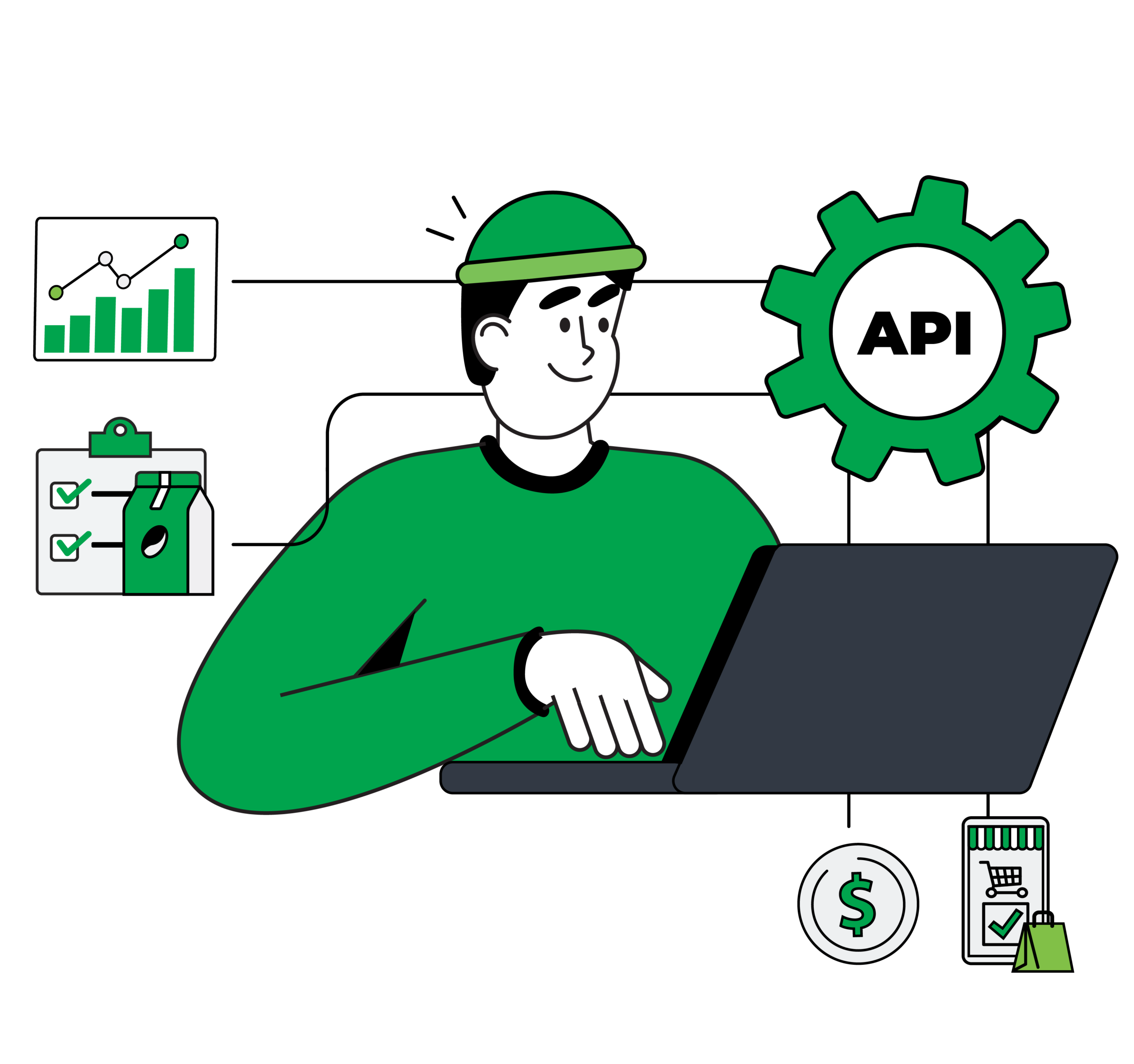
An ERP for coffee roasters is only as good as the data you feed it, and generic systems cannot interpret coffee-specific data in their native form. Data needs to be entered twice, transferred between spreadsheets, and specialized software. This creates an extra and unnecessary burden on your team and also invites mistakes and errors.
When Systems Don’t Talk, Teams Stop Trusting Each Other
Not having the system well-connected and sharing data automatically creates issues on the operational level. When data does not reflect the operational reality, finance and production teams end up working from different pictures. One sees the numbers in the system, the other actually knows what is happening on the roastery floor. And neither trusts the other’s version.
The Hidden Cost of Manual Data Entry
Having a person manually enter the data comes with a cost. Workers spend an average of 8.2 hours per week on manual data entry. Basically, you are paying your coffee experts to spend one full working day on low-value tasks. That is 5 weeks per year lost per person.
And it is not just the time. Manual data entry carries a 5% human error rate, and fixing a single error costs, on average, $53. Multiply that across your operation, and the impact on your margins becomes impossible to ignore. Worse, when you cannot trust your own data, making confident business decisions becomes a challenge in itself. This is the admin tax. And most coffee businesses are paying it every day without realising it.
You don’t have to keep paying the admin tax on disconnected systems. But the cost of doing nothing keeps growing every single day.