Meron Coffee runs 23 batches a day. 95 percent hit every goal
| Cropster
Meron Coffee roasts in Romania for its own network of cafes and franchises, which accounts for 70 percent of its demand. The rest goes to wholesale and direct customers. The menu runs from high-volume espresso and milk coffees to rarity lots from Central America, and the warehouse holds around 18 tons of green across 90 to 100 active and unreleased lots.
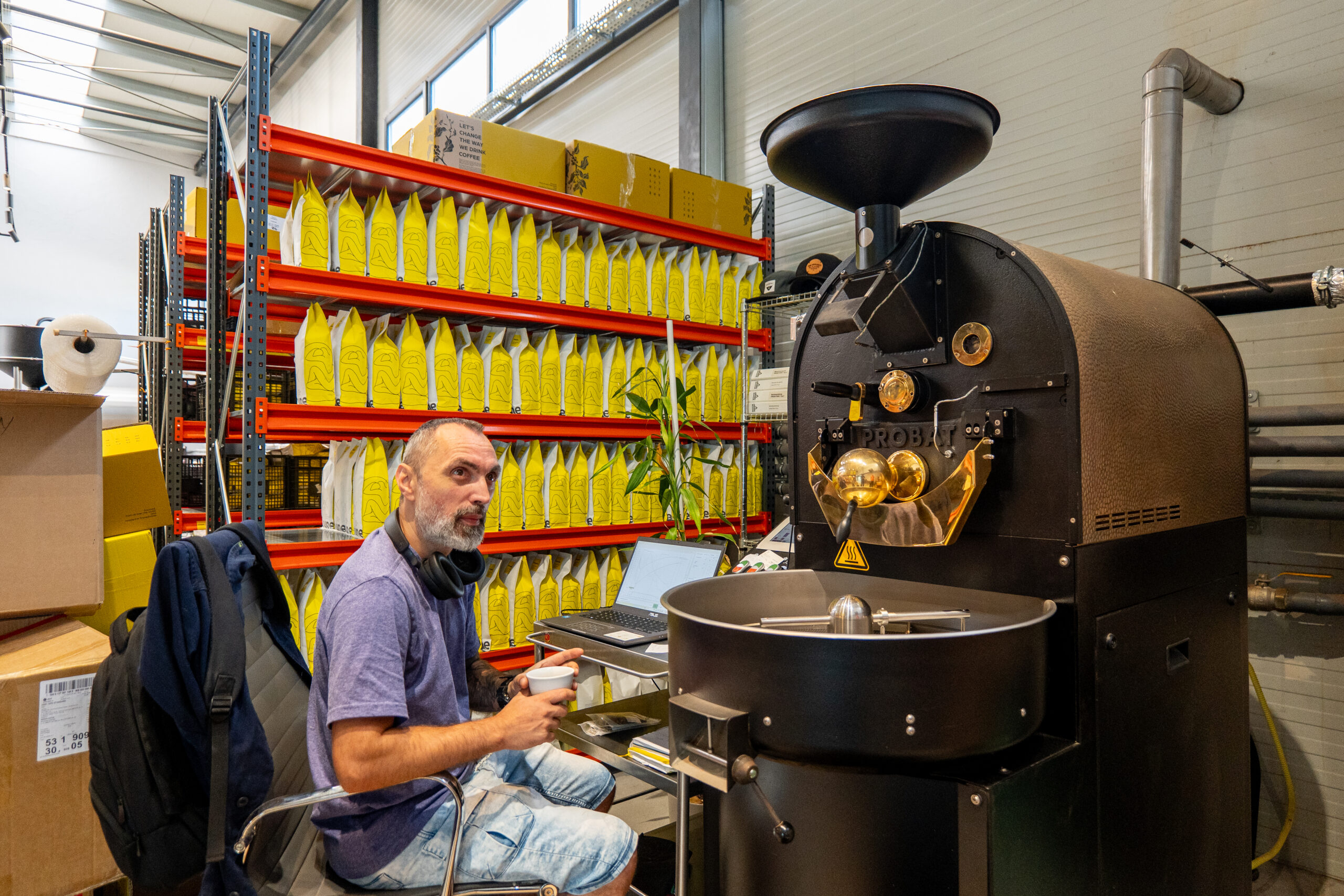
Three machines carry that range. A Probat P25 handles volume. A Probat P5 handles microlots. An 850g Stronghold handles competition lots.
Get Cropster if you’re data-driven, and you like seeing numbers on simple, straightforward reports. I It is very user-friendly and the core of our production reliability
Patricia Perello, Quality Control and Rarity Roaster, Meron Coffee
Holding one standard at 23 batches a day
The P25 runs up to 23 batches a day. At that pace, the question is whether every batch can meet the same standard without the team stopping to check each one by hand.
Coffee works against that. Fermentation and variety shift from lot to lot, and with 100 lots moving through the roastery, the variation is constant. Consistency has to hold through it.
Goals on every lot
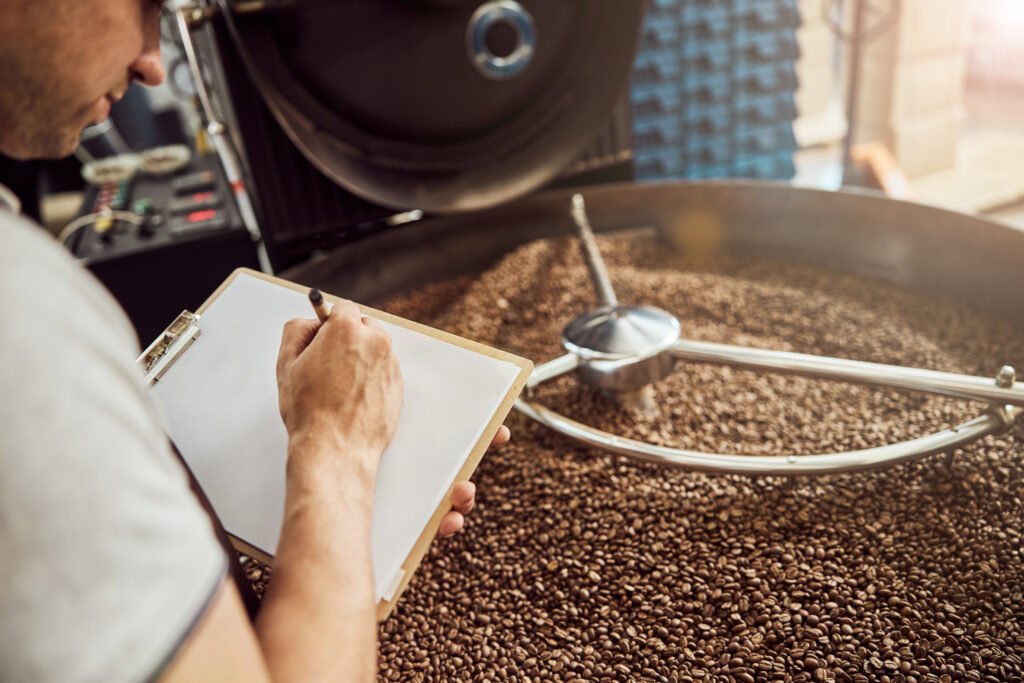
Meron sets goals in Cropster on every lot and treats them as fixed. First crack, end temperature, and charge temperature each get a target before the roast starts. The roasting interface shows where the batch lands against it.
95 percent of daily batches across the P5 and P25 meet every defined target. On inconsistent, high-complexity experimental lots, adherence holds at 85 percent.
The machines can adjust gas and air on their own. The roasters watch the roast anyway, because outside temperature and humidity change what each batch needs.
18 tons, one source of truth
Roasters cannot walk the warehouse every time they need to verify stock. Meron logs every arrival on the day it lands, which keeps the software and the shelf in sync.
I have to give credit to the team; they take the tracking seriously. If something arrives today, it is immediately logged. That is why our inventory is 100% trusted.
Patricia Perello, Quality Control and Rarity Roaster, Meron Coffee
That accuracy carries into planning. The finance team and CEO pull production reports to see how consumption breaks down across milk, espresso, and filter, then push specific categories to cafe managers based on what the data shows. Comparing category usage against the same period last year tells the sourcing team what to buy for the coming harvest, against a projected 10 percent annual growth.
Results
- 95 percent of daily batches across the P5 and P25 meet every defined roasting target.
- 18 tons tracked across 90 to 100 active and unreleased lots, with no manual verification.
- 85 percent goal adherence sustained on inconsistent, high-complexity experimental lots.
Want to see how Cropster handles roast goals for your own production, at your own volume? Book a demo, and we’ll show you.