Empowering world-class coffee operations to thrive
At Cropster, our mission is to elevate every workflow in the coffee chain. Our customers have seen real business impact after a few months of getting Cropster.

Dak Coffee Roasters roasts 4,000 kg a week. One number decides what gets cupped.
Dak Coffee Roasters started in a shared co-roasting space in Amsterdam, roasting small volumes on a single machine, with one of the co-founders doing the roasting himself.

“The goals function changed quite a lot the way we work. It tells us immediately if we need to put a batch aside for QC.”
– Stefano Ciamarra
Head Roaster, Dak Coffee Roasters
4,000 kg
of green coffee roasted every week

Roast Goals flag every batch that needs a second look

Roasting Intelligence keeps two IMF machines in sync
70
batches of 15 kg roasted a day, seven days a week
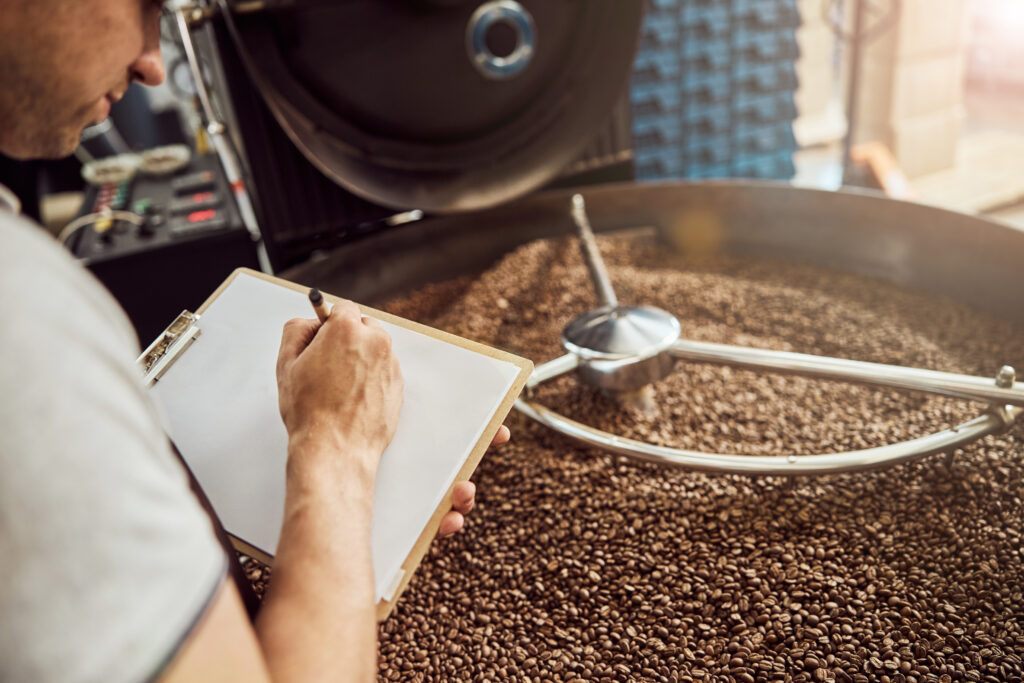
How Grind roasts to a quarter-degree target at 15 tons a week
Grind roasts about 15 tons of coffee a week for its London cafes and international sites. Howard Gill, Grind’s Head of Coffee, holds every batch to an end temperature within 0.25°C of target and checks each one in Cropster. In March, 72% of roasts landed inside that line.

“Cropster is a better source of truth for inventory than anything else I’ve seen in multiple very expensive softwares. It’s an absolute no-brainer for tracking roasts in real time and learning why things taste good or bad.”
– Howard Gill, Head of Coffee
40%
of March roasts hit every single roast goal

Total Inventory Visibility
Hit Every Roast Goal
15 TONS
roasted every week across London and international sites
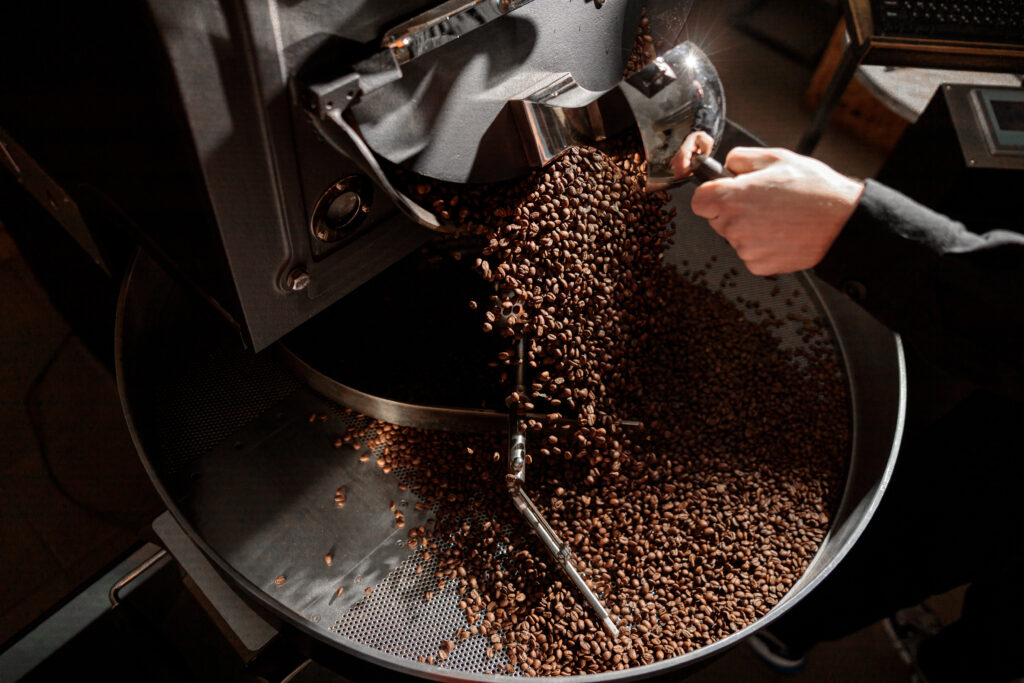
Why Ernst Kaffee wouldn’t start a roastery without Cropster
Ernst Kaffee started in February 2014 as a small coffee shop in the south of Cologne. Today it runs two shops, an online shop and a roastery that supplies cafes and other roasters, with about 35 tons roasted in 2025.
“To me Cropster is mandatory. If you start a roastery, you can’t do without it.”
– Maren Ernst, Founder, Ernst Kaffee
35 tons
of coffee roasted in 2025

Roast comparison shows how a coffee was roasted in past seasons

Green coffee stock checked from the office every Monday
10+ years
roasting with Cropster, since October 2015
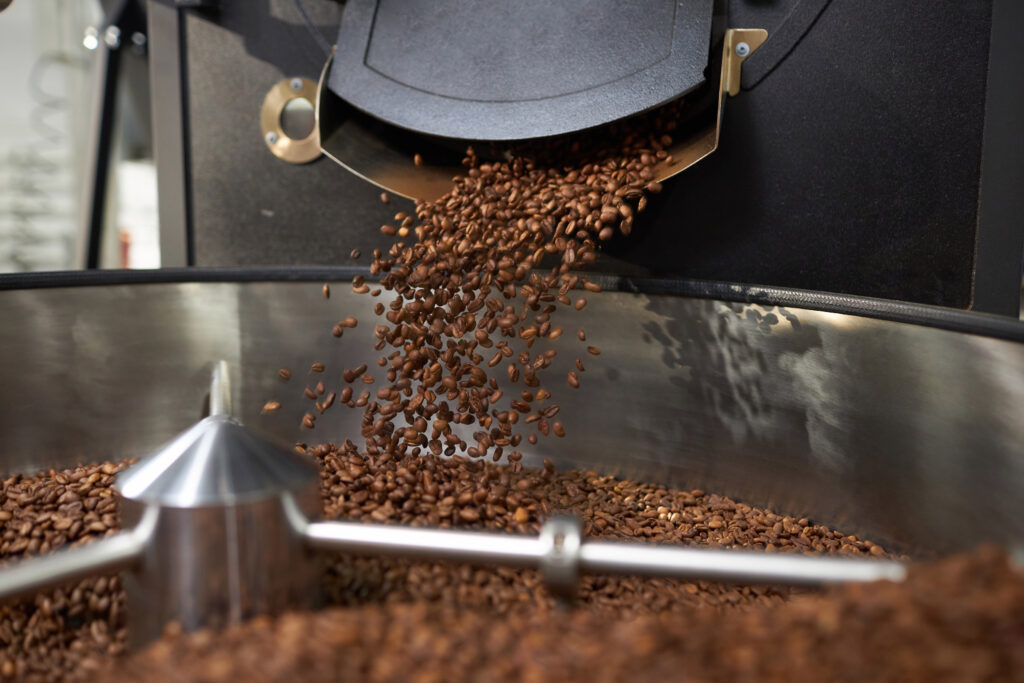
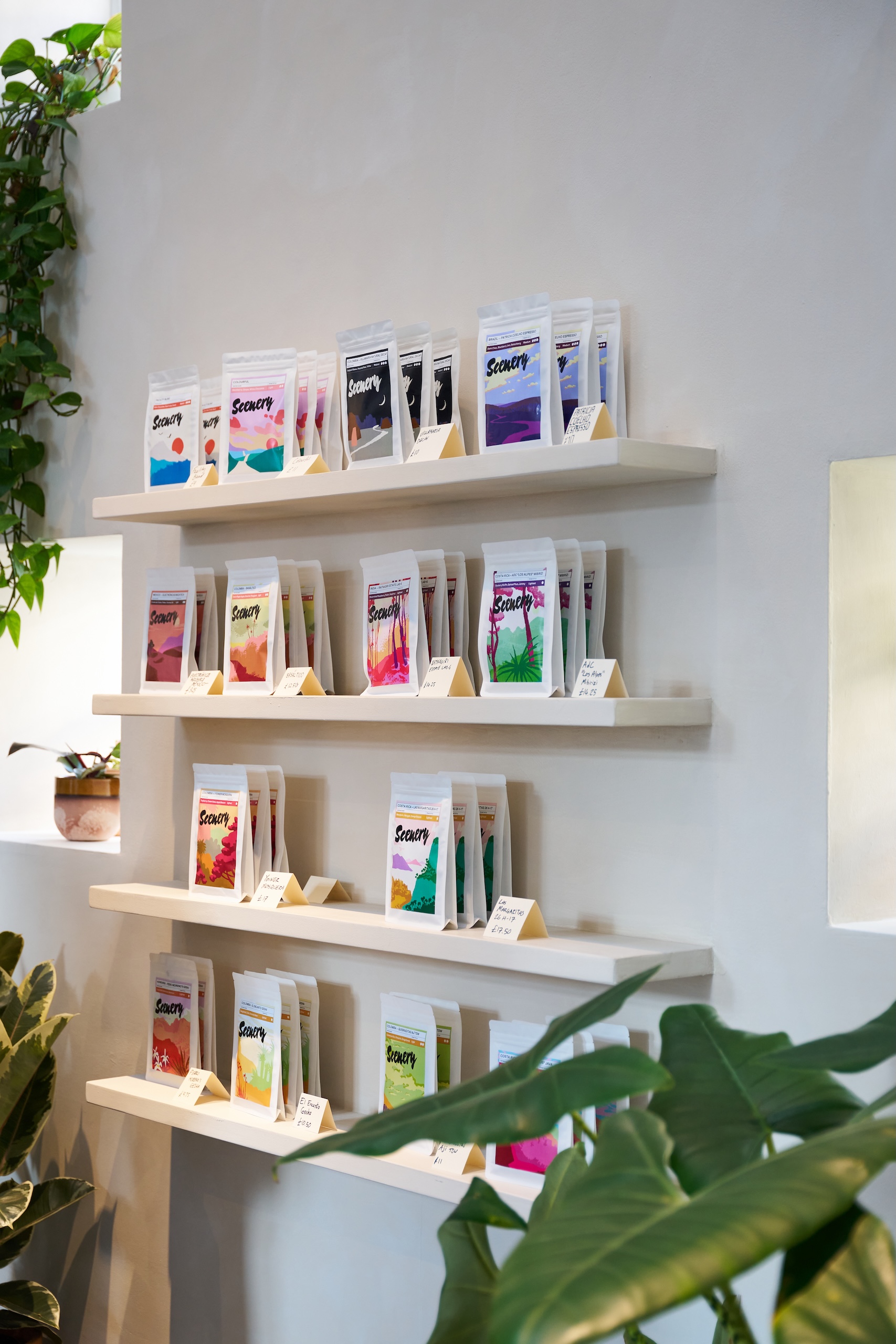
From scattered systems to one pipeline: how Scenery keeps things moving
As Scenery scaled from 100 to nearly 150 single-origin coffees a year, the spreadsheets, CSV exports, and masking-tape stock counts that once worked couldn’t keep pace.

“It’s not like I can’t quantify how much time I’m saving because I’m still working flat out. I’m just doing more stuff, more productive.”
– Alex Wallace, Co-Founder
150
single-origin coffees released this year, up from 100

Centralised coffee records
Automatic stock counting
~15 min
refresh cycle on live roasted-stock counts
From Hidden Losses to Data- Driven Quality
As one of Romania’s leading specialty coffee chains, Meron Coffee scaled to over 200 baristas. But with growth came a major challenge: how to maintain their renowned quality and consistency across multiple cities without being everywhere at once.

“Cropster Cafe opened my eyes. It helped me see what’s really
happening in every location even when I’m not there — and more importantly,
it helped my team grow””
– Manu Nedila, Head of Training & QC
€2,000+
in lost product identified at a
single location

Uncover Lost Revenue

Master Your Margins
600+
unaccounted shots
detected during the 1st trial month

From Gut Feel to Data-Driven Excellence
As Ember scaled up from a small-batch startup to a full-scale roasting operation, they hit a wall: the systems that once served them couldn’t keep up with growing complexity.

“None of these improvements happened by accident! What made them possible was the real-time visibility, structured planning, and detailed roast & inventory data we had access to.”
– Matt Berry, Co-Founder & Director of Coffee
75
more batches roasted per month, with better Between-Batch-Protocols

Maximized Throughput

Proactive Purchasing Plans
78%
less errors in usage projections

From Paper Chaos to Digital Excellence
As Buddy Brew Coffee grew into a high-volume specialty roaster, their manual paper-based processes couldn’t keep up with the demands of major grocery chains and wholesale accounts.

“Cropster is great for organization and traceability. Those are the two points that a customer would improve by implementing [it].”
– Branson Sondrol, Head Coffe Roaster
80%
inventory forecast accuracy

Automated Fulfillment Accuracy

Ensured End-to-end coffee traceability
20 hrs
saved on order consolidation
Uncovering Hidden Losses in Unrecorded Shots
With 33 locations and 450 baristas, Dutch coffee chain Coffeecompany struggled to ensure consistency. Quality control was based on gut feeling, reviews, and internal surveys, leaving massive blind spots in their day-to-day operations.

“It’s a great tool to learn about quality and consistency. And how it helps us track inventory and even waste. It helps start the right conversations”
– Jonatan Scheeper, Coffee Buyer, Roaster & Educator
€313K
in annual losses recovered
Uncover lost revenue

Master your margins
10%
of in-range shots that were sold identified

Building Consistency and Streamlining Stock
General Merchants, a cornerstone of Belfast’s hospitality scene, wanted to ensure its specialty coffee program matched its high culinary standards. Quality control relied on clipboards, trust, and in-person visits, making it impossible to see the full picture.

“For me personally, it’s been a game-changer. I can sit at the office, look at five sites, and see everything. It makes my life so much easier”
– Mark Stone, General Manager
10%
reduction in excess coffee inventory

Automate Fulfillment Accuracy

Make Decisions From a Single Source of Truth
5
locations managed in real time from one dashboard

Scaling Global Operations Through API Automation
Their operations rely on these API endpoints to automate the flow of core data, ranging from the initial purchase of green beans to the final link between physical products and their digital roast profiles.

“It really felt like a seamless upgrade rather than a difficult migration.
Being able to connect roast schedules to our E-commerce and ERP systems for automated order planning is a massive efficiency boost.
We are looking forward to utilising the profile and modulation charts, real-time inventory updates, and enhanced reporting to drive even deeper consistency.“
– Amer Ba Shuaib, Production Manager

Our Areas of Impact
Making coffee more sustainable, transparent, and community-driven.

Sustainable Farming
We help farmers adopt eco-friendly practices with tools that boost productivity and reduce waste, leading to a more sustainable future for farming.

Transparent Supply Chain
We bring transparency to the supply chain, helping businesses track their impact and make ethical choices from farm to cup.

Quality & Innovation
Our tech enhances coffee quality and drives innovation—making production smarter, faster, and more sustainable.

Community Support
We invest in communities with education and support, ensuring they thrive alongside the coffee industry.