Beyond the Roast Episode 3: Raw Materials, Bills of Materials, and the End of Packaging Blind Spots
| Cropster
On June 10, Cropster Product Manager Ellis Cookson hosted the third and final session of the Beyond the Roast series. Episode 1 connected coffee operations data into one system to remove operational friction. Episode 2 introduced Minimum Stock Levels to get ahead of low stock on finished goods before customers notice. Episode 3 closes the loop — bringing the packaging materials and consumables that turn roasted coffee into a shippable product into the same planning logic as everything else.
Ellis opened with a live walkthrough of the new raw materials and Bills of Materials features, and no slides. Just the software.
The Problem It Solves
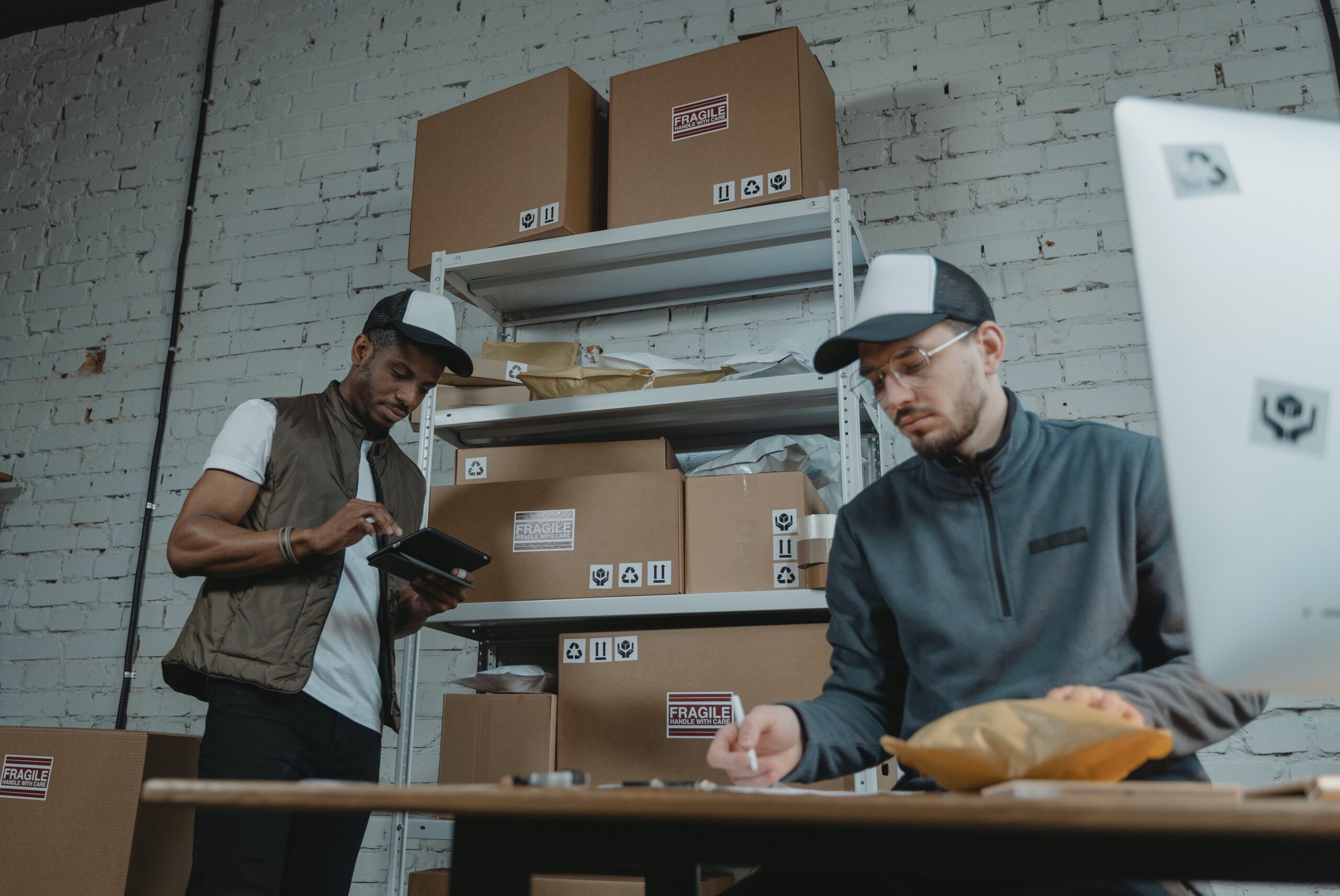
Ellis opened with a scenario that will feel familiar to anyone who has run a production floor. The roast is perfect. The coffee is exactly where it needs to be. Orders are queued. And then someone tells you that you are out of 250g bags, not almost out. Out and with a 14-day supplier lead time.
The result is an emergency shipment at a 10% premium, a day of lost fulfillment, and a problem that had nothing to do with the coffee. The roasteries this happens to are not disorganized. They know their coffee inventory inside out. The gap is everything around the coffee: the bags, labels, valves, and consumables that turn roasted coffee into a product you can actually ship. That tracking usually lives in a spreadsheet that does not know your production schedule, does not know your lead times, and cannot raise its hand before it is too late.
What Raw Materials Management Actually Does
The raw materials catalog gives roasteries a single view of every packaging item: bags, labels, valves, tins, boxes, with live stock levels and low stock signals. Two fields do most of the work: the reorder point, which triggers a low stock alert when stock falls below a set threshold, and the lead time, which tells you how many days it takes to receive goods after placing an order.
Together, these two fields answer the question that usually gets answered too late: if stock is low right now, is there still time to act? A filter showing only items below their reorder point reduces the morning check to two clicks. If nothing is flagged, production is clear to proceed.
What Bills of Materials Actually Do
Bills of Materials connect raw materials to finished goods. Every product variant gets a recipe. For example, one 250g craft bag, one label, one valve. When a packaging plan is created, the system shows exactly which materials are required and flags anything running low before the team commits to a run.
This means the question “do we have everything we need to fulfil this order” gets answered before packaging starts, not during it.
What Is Live and What Is Coming
The raw materials catalog is live now in Cropster Advanced and the Advanced Planning add-on. Stock adjustment functionality will follow in the next week. Bills of Materials are coming in the next few weeks.
Looking further ahead, Ellis outlined the direction for Advanced Planning: more in-depth reporting on production and consumption data, and proactive purchasing suggestions for both raw materials and green coffee. The goal is a system that forecasts what you need before you need to go looking for it.
What Comes Next
The Beyond the Roast series is now complete for now, but we will continue the series soon. All three episodes are available to watch on demand.
If you want to learn more about raw materials management, Bills of Materials, or the Advanced Planning add-on, get in touch with our team, and we will walk you through what it looks like for your operation.